Complete Guide to finding trusted pest control services
Proven Pest Management Answers: Maintain Your Home Free of Pests
Effective pest control approaches are vital for preserving a comfortable living space. Homeowners face multiple challenges from typical pest issues, which can interrupt daily life. Identifying the indicators of pest invasion is the first step in managing these issues. While natural methods have gained popularity, comprehending the full range of control options is necessary. This investigation raises important questions about the balance between do-it-yourself approaches and when to obtain expert help. What tactics will turn out to be most successful?
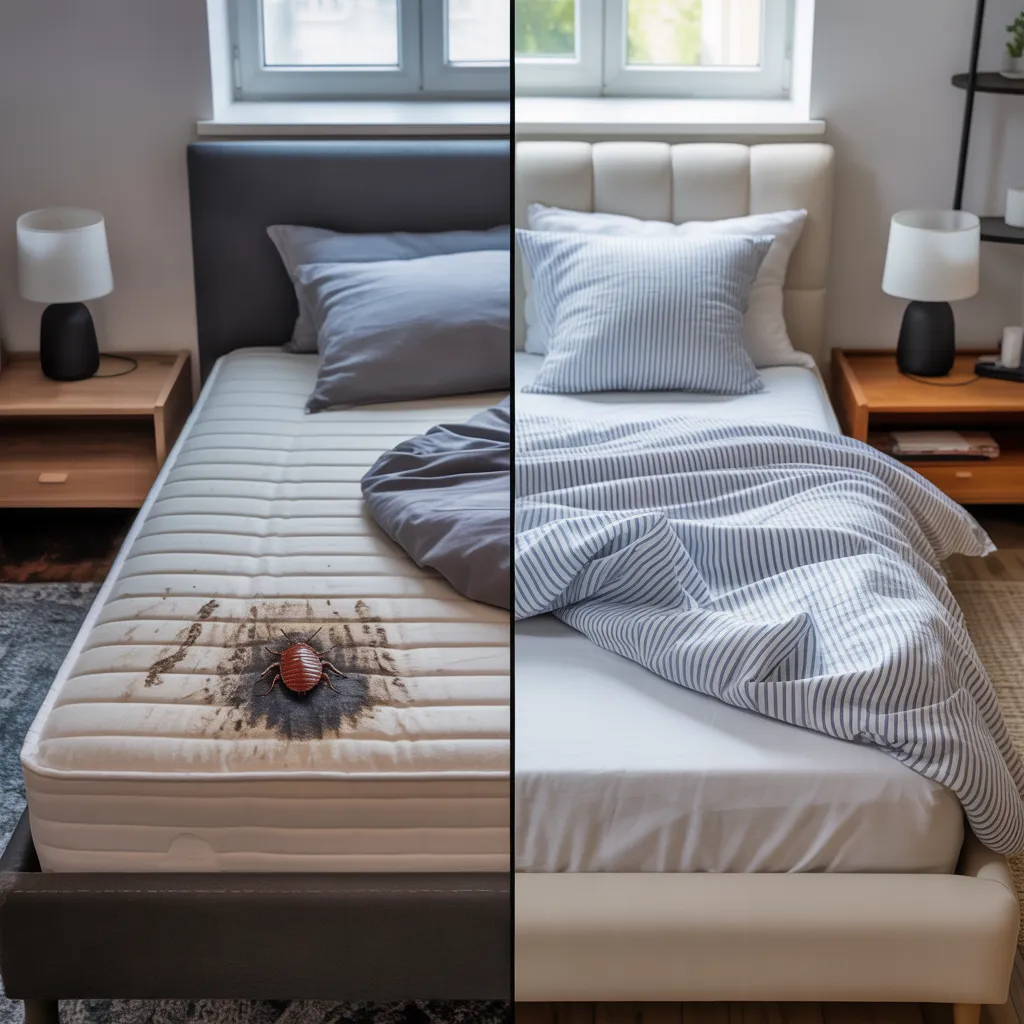
Prevalent Domestic Pest Issues and Successful Pest Control
When residents discover intruders in their living spaces, they often seek immediate solutions for typical household pests. Among these insects, ants, cockroaches, and rodents are frequently encountered. Ants typically invade kitchens in search of food, while cockroaches thrive in warm, dark areas. Rodents, on the other hand, can cause damage to structures and create health risks.
Dependable pest elimination opens with discovery and protection. Homeowners are prompted to seal entry points, copyright sanitation, and curtail food availability. Bait traps and insecticides can be leveraged for particular infestation cases, though caution is advised to guarantee safety for children and pets. In extreme instances, qualified pest management companies may be necessary to deploy systematic elimination approaches. Understanding the characteristics of these animals and adopting specific methods nurtures a more wholesome habitat and reduces future infestations.
Recognize Signs of Infestation
Detecting signs of infestation is important for effective pest management. Frequent signs include odd sounds, pungent odors, and apparent waste or destruction to property. Identifying these red flags at an early stage can help prevent a minor issue from intensifying into a major problem.
Typical Insect Warnings
How does someone pinpoint the subtle signs marking pest problems? Spotting common pest indicators proves essential to allow timely action. Tiny pellets, often similar to grains of rice or coffee grounds, can hint at the occurrence of rodents or insects. Additionally, eaten objects, including wires or wood, indicate chewing pests like termites or rats. Odd impressions on furniture or walls, including smudge marks or scratches, may signify pest movement. Moreover, webbing or nest structures discovered in secluded spots often point to pest infestations. House owners must stay alert to shed skins or discarded feathers, which are common with certain insects. By being aware of these signs, one can take proactive measures to maintain a pest-free environment.
Unusual Noises and Smells
Uncommon noises and scents may serve as key signals of a pest infestation. Homeowners might hear scraping, running, or biting noises, especially at night when pests are most active. These noises frequently signal the existence of rodents like mice or rats, which often occupy walls, attics, or basements. Furthermore, certain odors can hint at an infestation. A damp or strong scent may suggest an accumulation of droppings or urine, while a unpleasant, rotting smell could imply dead pests are present. Identifying these hearing and olfactory cues is crucial for early detection. Taking prompt notice of unusual noises and smells enables homeowners to act before a minor issue becomes a larger pest problem.
Noticeable Waste or Deterioration
wall damage. Such signs not only indicates the existence of rodents and insects but also underscores possible risks to wellbeing and property. Prompt identification of these signs is essential for effective pest management and prevention strategies, ensuring a secure and pest-resistant space.
Excellent Organic Pest Elimination Strategies
Although numerous homeowners pursue synthetic treatments for insect management, excellent organic techniques offer solid options that remain both environmentally responsible and protective. Essential oils, like peppermint and lavender, can deter various insects due to their intense odors. Diatomaceous earth functions as a organic pesticide, dehydrating pests on contact. Furthermore, white vinegar proves to be a versatile solution, successfully deterring ants and spiders when applied as a spray.
Handmade catches, like lure jars for fruit flies, can also be useful. Releasing beneficial insects, such as ladybugs and lacewings, helps suppress pest populations without harming the ecosystem. Moreover, routine sanitation and correct storage practices prevent unwanted guests by eliminating attractants. Setting herbs like basil and rosemary around the home can also function as natural repellents. By integrating these methods, homeowners can maintain a pest-resistant home while promoting a healthier living space.
Understanding Synthetic Pest Management Options
Chemical pest control choices offer a range of pesticide types designed to focus on specific pests productively. Recognizing these multiple chemical options is vital for successful application and minimizing environmental harm. Additionally, complying with safety protocols is imperative to guarantee the welfare of both users and neighboring environments.
Varieties Of Chemical Pesticides
Pesticides play an important part in contemporary agriculture and pest control, providing a range of options created to address specific pests effectively. There are multiple types of chemical pesticides, including insecticides, which control insect populations; herbicides, which eliminate unwanted plants; and fungicides, used to fight fungal infections. Additionally, rodenticides are formulated to destroy rodents, while nematicides concentrate on parasitic worms. Each category contains various active ingredients, allowing for tailored approaches based on the pest type and infestation level. Systemic pesticides are absorbed by plants, offering internal protection, while contact pesticides act on contact with the pest. Understanding these classifications aids in selecting the most appropriate pesticide for effective and efficient pest control.
Safety Measures To Take Into Account
When participating in pest control, it is important to focus on security protocols to lessen potential risks associated with chemical applications. Homeowners should always read and follow label instructions carefully, confirming proper dosage and application methods. Personal protective equipment (PPE) such as gloves, masks, and goggles is necessary to protect from chemical exposure. It is advisable to hold children and pets away from treated areas until the chemicals have dried and the space has been refreshed. Additionally, keeping pesticides safely away can prevent accidental ingestion. Finally, examining sustainable solutions can lower health risks while still effectively managing pest problems. Implementing these precautions guarantees a safer environment while conducting necessary pest control measures.
Apply DIY Pest Control Tips
Utilizing DIY pest control strategies gives homeowners the ability to manage infestations effectively and economically. Easy solutions frequently leverage everyday household items, rendering them easy to use and budget-friendly. For example, a mixture of vinegar and water can deter ants, while baking soda and sugar can draw in and eradicate cockroaches.
Maintaining hygiene is essential; securing food storage and promptly cleaning spills minimize pest infestations. Homeowners can also create barriers by closing openings and fissures around doors and windows. Natural oils like peppermint and tea tree oil function as natural repellents, offering a fragrant alternative to synthetic treatments.
By frequently checking the home for pest indicators, you can allow for early intervention, avoiding larger infestations. Traps and bait stations can be strategically placed in high-traffic areas to monitor and control pest populations. By implementing these do-it-yourself approaches, homeowners can maintain a pest-free environment while fostering a sense of control and responsibility in their living spaces.
When should you get expert assistance?
Homeowners may discover that despite their greatest attempts with DIY pest control methods, some invasions need professional intervention. Signs indicating the necessity for expert help include persistent pest activity, significant invasions, or the presence of pests that pose health risks, such as rodents or termites. If initial solutions fail to yield results, it may be time to consult professionals who possess specialized knowledge and tools.
In addition, particular circumstances necessitate urgent professional assistance. These encompass the discovery of nests in hard-to-reach areas, likely structural harm brought about by pests, or when confronting dangerous insects, like wasps. Homeowners should also evaluate expert support if they lack the time or resources to manage the situation effectively. Ultimately, retaining a pest control expert can guarantee a detailed review and a strategic strategy, providing peace of mind and a pest-free environment.
Frequently Posed Questions
What Measures Can I Take to Keep Pests From Entering My Home?
To guard against creatures from gaining entry to a home, one should seal cracks, fit protective coverings on windows, maintain cleanliness, store food properly, and regularly inspect for marks of invasion. These tactics greatly reduce the odds of unwanted occupants.
Are there any Petsafe pest control options?
Indeed, pet-safe pest control solutions are available. Natural deterrents, essential oils, and traps engineered for application in areas with animals can effectively deter pests while avoiding harming animals. Always look at product labels for protective instructions.
How Much Will Pest Control Services Cost You?
Pricing for pest control offerings varies substantially, normally ranging from $100 to $300 for initial treatments. Routine upkeep packages can range $40 to $70 monthly, based on the degree of the infestation and service frequency.
How extended Will Pest Control Treatment stay effective?
Pest control application typically runs from a few weeks to many months, determined by the pest type and the treatment method applied. Regular appointments may be needed to maintain effectiveness and prevent re-infestation.
Can Insects Return After Treatment, and How Can I Stop That?
Pests might resurface after treatment if improperly supervised. Prevention strategies include sealing entry points, upholding cleanliness, and consistent evaluations. These actions help cut down try this the likelihood of re-infestation and maintain a protected environment.